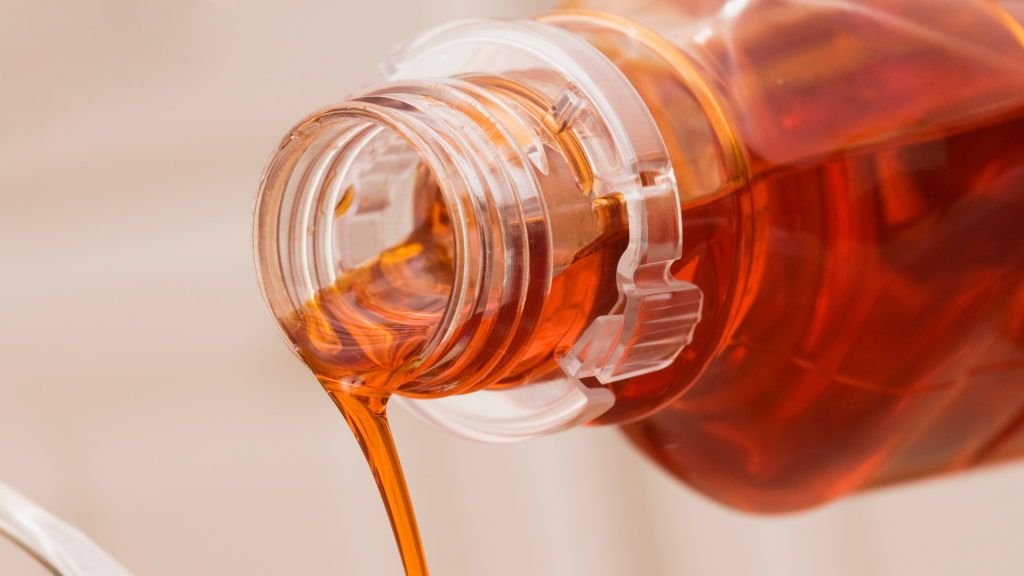
If you’ve spent any time on Reddit or mushroom forums, you’ve probably seen people mention magic mushroom syrup, a sweet, drinkable way to take psilocybin. It sounds futuristic, right? Like the wellness world’s next big thing. But here’s the reality: while mushroom “syrups” do exist online and in DIY circles, there’s no scientific evidence or standardized method behind them yet.
Still, curiosity about liquid psilocybin is growing fast. From tinctures to extractions, here’s what people are doing, what the science says, and what to watch out for.
What Is “Magic Mushroom Syrup”?
The term “magic mushroom syrup” usually refers to a liquid extract made from psilocybin mushrooms. The idea is simple: instead of eating the mushrooms (which can taste bitter and earthy), you extract the active compounds and suspend them in a sweet liquid, often honey, agave, or glycerin.
Websites like ShroomBros.co describe it as a convenient and more palatable way to consume psilocybin. The syrup can be mixed into drinks, added to desserts, or taken by the spoonful.
In theory, this makes dosing easier. In reality, though, there’s no consistent way to measure strength because psilocybin concentration depends on mushroom strain, drying process, and extraction efficiency.
“Two spoonfuls from different bottles could hit completely differently. You just don’t know.”
How People Make It (and Why It’s Tricky)
Most DIY “mushroom syrup” methods are based on alcohol or water extractions, essentially pulling the psilocybin and psilocin out of dried mushrooms and mixing the liquid with a sugary base.
According to guides from Go-Microdose, the process looks something like this:
- Dry and powder the mushrooms for accurate measuring.
- Extract the compounds using warm water, alcohol, or lemon juice.
- Filter and reduce the liquid to concentrate it.
- Blend with honey, syrup, or glycerin to preserve and sweeten it.
It sounds straightforward, but here’s the catch: psilocin (one of the key psychoactive compounds) breaks down easily when exposed to heat, oxygen, and light. That means your syrup could lose potency fast if not stored correctly.
Bottom line: It’s a fun concept, but hard to make consistently potent or safe at home.
Tinctures vs. Syrups: What’s the Difference?
Many people who think they’re using syrup are actually using tinctures. A tincture is an alcohol-based extract, often stored in dropper bottles.
Here’s how they differ:
| Type | Description | Pros | Cons |
| Tincture | Alcohol or glycerin extraction stored in a dropper | Long shelf life, precise microdosing | Strong taste, can burn if not diluted |
| Syrup | Sweetened, thicker version of an extract | Easier to consume, masks taste | Short shelf life, inconsistent potency |
Tinctures are more common in microdosing communities because they allow accurate measurement in milliliters or drops. Syrups, on the other hand, are still mostly novelty products found on underground markets or DIY sites.
“Think of tinctures as practical, and syrups as experimental.”
Why People Use Liquid Extracts
The motivation is simple: taste and dosing. Magic mushrooms can be hard on the stomach and tough to portion. Extracts help with both.
Here’s what users claim:
- Better taste: no earthy flavor, no nausea.
- Easier microdosing: measure drops or small spoonfuls.
- Smoother onset: liquid absorbs faster than whole mushrooms.
However, none of these claims have been tested scientifically. And because no standard dosage exists for syrup or tinctures, results vary widely.
What Science (and Law) Say
There’s no published research on psilocybin “syrup.” The few references to psilocybin extraction in scientific literature focus on lab-grade methods for analysis, not home use.
Moreover, extracted psilocybin may fall under stricter legal definitions in many countries, including the U.S., Canada, and the U.K. While some regions tolerate possession of whole mushrooms, concentrated or processed extracts often count as higher offenses.
“Once you extract it, you’ve technically made a controlled substance concentrate.”
So, even if you see syrup for sale online, it’s not legal under most jurisdictions, and there’s no guarantee of what’s actually in the bottle.
The Safer Alternative: Mushroom Tea
If you’re after a smoother, tastier experience without the risk of oxidation or inaccurate dosing, mushroom tea is the safer, time-tested option. It’s simple, mild, and can be sweetened just like syrup.
- Steep powdered mushrooms in hot (not boiling) water for 10–15 minutes.
- Strain and sweeten with honey or lemon.
You’ll get faster absorption, better flavor, and fewer stomach issues, all without needing to experiment with extraction chemistry.
The Takeaway
Yes, “magic mushroom syrup” is a thing, but only in DIY or underground circles. There’s no official formula, no clinical backing, and no guarantee of safety or potency.
If you come across it online, remember that most “syrups” are either unregulated extracts or mislabeled tinctures. If you’re looking for gentler, controlled experiences, tea or microdosing with dried mushrooms is a safer bet.
“In theory, syrup sounds sweet. In practice, it’s still a sticky experiment.”
Summary
Magic mushroom syrup refers to a sweetened psilocybin extract that people create or buy online to avoid the taste of dried mushrooms. It’s not scientifically studied, legally risky, and often inconsistent in potency. Safer alternatives include psilocybin teas or tinctures with clearer dosing.
Sources
ShroomBros – Magic Mushroom Syrup: Everything You Need to Know
Go Microdose – How to Safely Extract Psilocybin at Home: Step-by-Step Guide
Zamnesia – 2024 – Mushroom Drops: A Comprehensive Guide
Taynah P. Galdino et. la. – 2025 – Extraction Yields of Psilocybin and Psilocin: Review of Current Methods
Read Our Other Articles