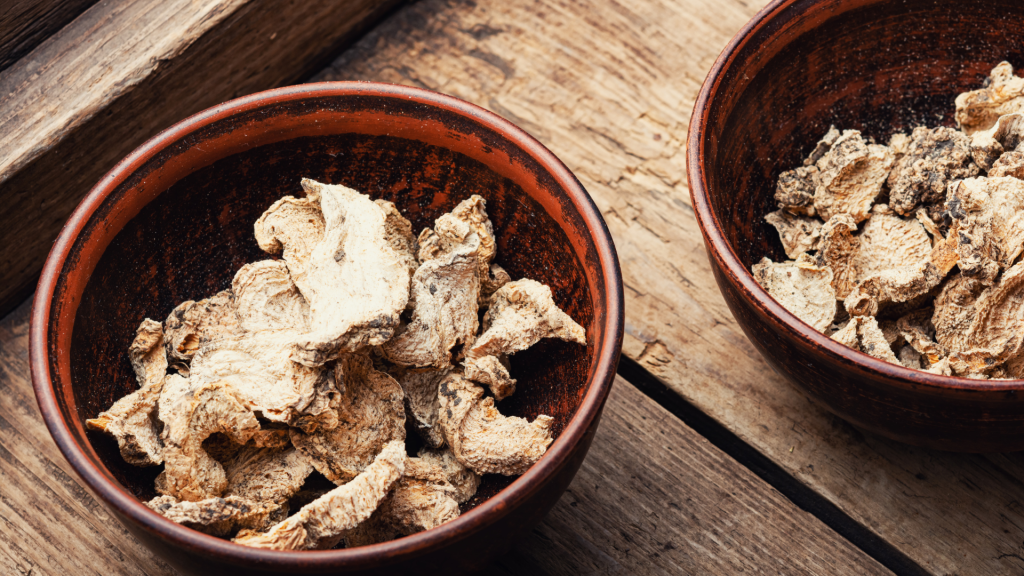
Magic mushrooms have a reputation that swings wildly between “nature’s antidepressant” and “hallucinogenic danger zone.” The truth is somewhere in the middle. Psilocybin, the active ingredient in shrooms, isn’t physically toxic like alcohol or opioids, but that doesn’t mean it’s risk-free.
I’ve read the studies, talked to users, and seen how set, setting, and dosage make all the difference. So let’s break it down: what makes shrooms generally safe in the right hands, and what makes them risky when they’re not.
Physically, Shrooms Are Surprisingly Safe
Let’s start with the big one: psilocybin isn’t physically poisonous. A 2024 study in Safety Pharmacology of Acute Psilocybin Administration found that even at moderate to high doses, healthy participants showed no toxic effects on the heart, liver, or other major systems.
Unlike drugs that can shut down your organs or cause lethal overdoses, psilocybin’s danger isn’t chemical, it’s psychological. You can’t overdose in the traditional sense. People might feel overwhelmed or anxious, but not physiologically at risk from the compound itself.
“You’re far more likely to get hurt from panicking than from the substance.”
That said, there’s still a line between “safe” and “reckless.”
Where the Real Risks Come From
1. Bad Trips and Panic
The most common risk with shrooms is psychological distress. High doses can trigger intense fear, confusion, or paranoia, what people call a bad trip.
A review from Cambridge University’s CNS Spectrums (2023) found that while psilocybin is well-tolerated in clinical environments, uncontrolled settings are another story. Stressful environments or negative headspaces can make the trip spiral fast.
People might hyperventilate, cry, or even feel like they’re dying. These feelings pass, but they’re not fun, and can lead to risky behavior if someone tries to escape the experience.
2. Misidentifying Mushrooms
One of the biggest dangers isn’t psilocybin itself, it’s picking the wrong mushroom. Some wild mushrooms look almost identical to Psilocybe species but contain deadly toxins.
According to Medical News Today (2024), poisoning from lookalikes like Galerina marginata or Amanita phalloides can lead to liver failure or death. Every year, a handful of people end up in emergency rooms after mistaking these for magic mushrooms.
If you don’t know exactly what you’re looking for, don’t forage. Buy cultivated mushrooms or skip the wild hunt entirely.
3. Mixing Substances
Psilocybin mixes poorly with alcohol, stimulants, or antidepressants (especially SSRIs or MAOIs). Combining them can either dull the effects or cause unpredictable reactions like anxiety spikes or serotonin overload.
Even caffeine can make the trip more jittery for some people. Clean trips are best done on clear minds and empty stomachs.
4. Underlying Mental Health Conditions
For people with a history of schizophrenia, bipolar disorder, or psychosis, psilocybin can trigger unwanted symptoms.
Clinical trials carefully screen participants for this reason. The CNS Spectrums (2023) review noted that serious psychiatric side effects were rare, but when they did happen, they were usually in people with prior mental health vulnerabilities.
If you or your family have a history of psychosis, it’s safer to avoid psilocybin entirely.
5. Accidents During Trips
Another overlooked risk is simple, being clumsy while tripping. People have been known to walk into traffic, wander into forests, or fall off balconies because their sense of depth and coordination was altered.
That’s why having a trip sitter, a sober, trusted person, matters. Their job is to keep you safe, hydrated, and away from risky environments while you explore.
“The only thing scarier than losing control of your mind is forgetting where your body is.”
The Emotional Side: When It Gets Heavy
Psilocybin doesn’t always bring joy. Sometimes, it brings grief, fear, or deep introspection. These moments can feel dark but are often part of the process.
Researchers call it “ego dissolution”, when your sense of self temporarily fades. For some, it’s liberating; for others, it’s terrifying. If you’re unprepared, it can shake your worldview for days.
That’s why integration, talking about and reflecting on the experience afterward, is crucial. It helps make sense of what you saw or felt, instead of letting it linger in confusion.
The Myth of Permanent Damage
There’s no evidence that psilocybin causes brain damage or addiction. In fact, studies show that it can actually increase neuroplasticity and reduce addictive behavior.
The brain seems to recover, and even benefit, after a properly guided trip. The biggest long-term risk isn’t physical; it’s psychological distress from an overwhelming experience.
In rare cases, people develop HPPD (Hallucinogen Persisting Perception Disorder), where visual distortions linger. It’s uncommon and usually mild, but it’s one more reason to respect dosage and environment.
Safe Doesn’t Mean Careless
Psilocybin ranks among the least physically harmful recreational substances when used responsibly, according to most scientific reviews. But like diving into cold water, it demands preparation and respect.
Here’s how to keep it safe:
- Start small: Try 1–1.5 grams for beginners.
- Stay in a safe environment: Indoors, or in nature with a sober friend.
- Set your intention: Know why you’re taking it.
- Avoid mixing substances.
- Allow recovery time. Don’t trip again right away.
“Mushrooms aren’t dangerous, recklessness is.”
The Verdict
Magic mushrooms aren’t toxic, addictive, or inherently deadly. But they’re powerful. The danger comes from misuse, misidentification, or poor preparation. In safe environments, psilocybin is one of the most well-tolerated psychedelics known to science.
It’s not about fear, it’s about respect.
Summary
Psilocybin mushrooms are generally safe in moderate doses but can cause anxiety, confusion, or panic in the wrong conditions. The real dangers come from misidentified mushrooms, combining substances, or preexisting mental health issues. Used responsibly, psilocybin’s risk profile is low, and its potential benefits are high.
Sources
Isabelle Straumann et al. – 2023 – Safety Pharmacology of Acute Psilocybin Administration in Healthy Participants
Seetal Dodd et al. – 2022 – Psilocybin in Neuropsychiatry: A Review of Its Pharmacology, Safety and Efficacy
Medical News Today – 2024 – Psilocybin and Magic Mushrooms: Effects and Risks
Read Our Other Articles