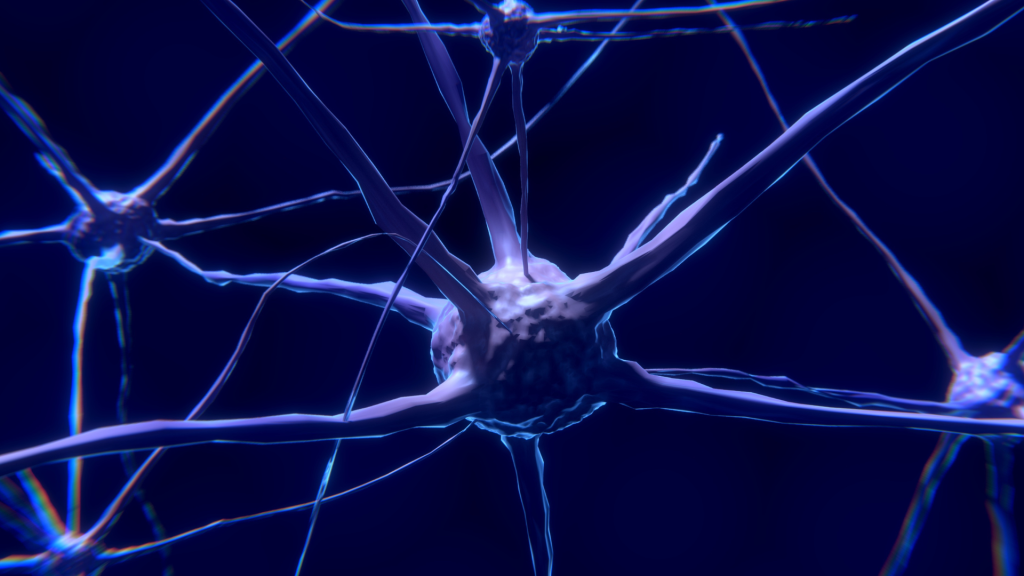
I used to think the brain was something that stayed the same once you hit adulthood. Turns out, that idea is completely wrong. Your brain is changing all the time. It builds new connections, rewires old ones, and even repairs itself in ways that feel almost unreal when you think about it. This ability is called neuroplasticity, and it’s one of the coolest things about being human.
What I love about this topic is how hopeful it feels. Neuroplasticity basically says you’re not stuck. Your brain isn’t frozen in place. It can grow through new experiences, healthier habits, and even through struggles. Once you understand that, it feels like a weight comes off your shoulders. Let me explain it in a simple, down to earth way.
What Neuroplasticity Actually Means
Neuroplasticity is just a fancy word for the brain’s ability to change. Think of your brain like a set of roads. When you do something over and over, those roads get smoother and easier to travel. When you stop using certain paths, they get a little grown over. And when you learn something new, the brain builds fresh paths to help you get better at it.
This is happening constantly. Every time you practice a skill, adjust a habit, or work through a problem, your brain is literally building new patterns inside your head.
Why It Matters More Than You Think
People talk about neuroplasticity in science labs, but it shows up in real life all the time. When someone relearns to walk after an injury, that’s neuroplasticity. If someone slowly works through anxiety and starts feeling safe again, that’s neuroplasticity. If an older person picks up a new language or learn guitar, that’s also neuroplasticity in action.
The biggest win is that neuroplasticity lets the brain recover and grow at any age. Kids have tons of it, but adults still have plenty. You don’t lose the ability to change. It just shifts into a different gear.
How Neuroplasticity Helps Your Mental Health
One thing that jumped out from the research is how neuroplasticity affects mood. When your brain can form new connections, you’re better at breaking out of old emotional loops. That means things like stress, sadness, or negative thinking don’t trap you as easily.
People who build healthy routines, talk through problems, meditate, exercise, create art, or even sit in therapy sessions are literally shaping their brains while they do it. The changes might be small at first, but they stack up. And those small changes add up to a calmer, stronger mind.
Your Brain Loves Learning New Stuff
If you’ve ever felt stuck in a rut, here’s some good news. Trying new things wakes up your brain. That can be something as simple as:
- learning a new recipe
- picking up a hobby
- trying a different route on your walk
- listening to new music
- reading about a topic you know nothing about
Your brain reacts to new challenges like a muscle reacts to workouts. It grows, adapts, and responds with surprising strength.
Your Habits Shape Your Brain Too
This part blew my mind the first time I learned it. Every habit you repeat is teaching your brain what to expect. Good habits build helpful pathways. Bad habits build pathways that are harder to break.
The good news is that nothing is locked in forever. You can rewire habits, even the tough ones. Neuroplasticity means you’re not fighting yourself. You’re training yourself.
When Neuroplasticity Helps You Heal
Scientists have seen neuroplasticity help with recovery after strokes, brain injuries, trauma, and long-term stress. The brain finds different ways to work around damaged areas by creating new routes. It’s not instant, but it’s powerful.
Even people facing memory problems or cognitive decline can benefit from activities that spark neuroplasticity. Things like puzzles, movement, learning, and social interaction help slow things down and keep the brain flexible.
The Cool Thing About Psychedelics and Neuroplasticity
Some newer research shows that certain psychedelics might help boost neuroplasticity too. That doesn’t mean shrooms magically fix everything. But scientists have noticed that psilocybin may help the brain reconnect patterns that were stuck, especially in people dealing with depression. The way it opens the mind during a session seems to continue afterward through new neural growth.
Yet it’s still in early research, but it lines up with what a lot of people feel after using psychedelics in a safe and supported way. Things shift. Patterns loosen. The mind becomes a little more flexible.
Summary
Your brain is always changing, even when you don’t notice it. Whether you’re learning something new, healing from something painful, or trying to break an old habit, neuroplasticity is working behind the scenes. It’s your built-in reset button. Once you understand how powerful it is, you realize you’re not stuck. You’re always capable of growing into something stronger.
Neuroplasticity is your brain’s ability to grow, adapt, and change. It helps you learn, recover, build healthier habits, and stay mentally sharp. It’s one of the biggest reasons people can heal, improve their mood, and create new patterns in life.
Sources
Frontiers in Psychology – Neuroplasticity and Clinical Practice
MDPI – Neuroplasticity in Development, Aging, and Disease
The Journal of Neuroscience – Psychedelics and Neural Plasticity
Read Our Other Articles