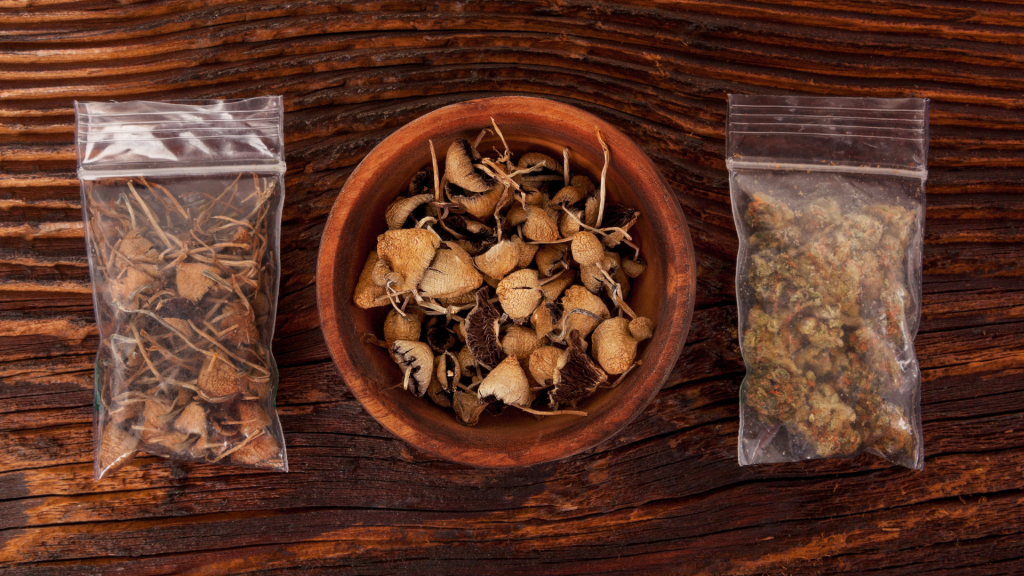
When people talk about magic mushrooms, they often mean one thing, but the truth is there are many different types. Some are small and grow in the wild. Others look almost gold in the sunlight. A few are so subtle you’d walk past them without a second glance. I remember the first time I learned there were more than 200 species that contain psilocybin, and it felt like someone opened a door I didn’t even know was there. Each type has its own story, look, and personality, if you want to call it that. Let’s walk through the ones people hear about most often and what makes them stand out.
The Classics Most People Know
A lot of folks start with the famous ones: Psilocybe cubensis. These mushrooms are kind of like the “starter species” in conversations about magic mushrooms. They grow easily, they’re found in many places, and they come in plenty of strains with their own quirks. Some strains have thicker stems, some have deeper golden caps, and some have a reputation for being a bit stronger. Even though strains can vary, they all belong to the same species.
People like them because they’re approachable, not too mysterious, and they’re pretty consistent. If someone mentions Golden Teachers or B+, they’re talking about forms of P. cubensis.
The Stronger Wild Ones
Then you have mushrooms like Psilocybe azurescens. These are known for being much stronger. They grow naturally near coastal areas and look almost caramel-colored with a slightly wavy cap. There’s something rugged about them, like they belong in windy dunes or tucked under driftwood.
Their potency makes them stand out, and many sources note how much more intense they can feel. It’s not the kind most beginners start with, and honestly, that’s for the best. But people who know mushrooms well speak about them with a kind of respect.
The Little but Powerful Species
Another species that often surprises people is Psilocybe semilanceata, also called liberty caps. They’re tiny, almost delicate, with a pointed top that looks like a little hat. You might not think much of them, but they’re naturally potent, even though they look harmless.
They’re found across many parts of the world, especially in grassy fields. Because they’re so small, people sometimes underestimate them, but the chemical profile tells a different story. Some researchers even point out that liberty caps are among the most widespread psilocybin-containing mushrooms.
Mushrooms With a Long History
There’s also Psilocybe mexicana, a species tied to traditional use in Central America. These mushrooms don’t get as much attention online compared to the big names, but their place in history matters. They’re smaller, smooth, and often connected with cultural rituals stretching back generations. When people talk about the roots of psilocybin use, this species almost always comes up.
How These Types Differ From Each Other
Even though all these mushrooms contain psilocybin, they vary in potency, size, shape, and how they grow. A small mushroom can be stronger than a big one. A golden cap doesn’t always mean the same species. And strains within one species can look almost unrelated. It’s a bit like how dogs can range from chihuahuas to Great Danes while still being the same species.
Some species grow only in certain climates. Others thrive almost anywhere. A few produce other natural compounds alongside psilocybin, which may slightly change how the experience feels. These differences are part of what makes the world of magic mushrooms so wide and interesting.
Why People Care About the Different Types
Knowing the species helps people understand potency, effects, and even simple safety. It also helps researchers compare one type to another when they study how psilocybin works in the body. Plus, there’s something cool about learning how each mushroom fits into a bigger picture. It feels a bit like getting to know different personalities in a community instead of seeing them as one big group.
Summary
Magic mushrooms come in many types, from the familiar Psilocybe cubensis to stronger species like Psilocybe azurescens and tiny but powerful liberty caps. Each one differs in shape, strength, and natural habitat. Learning about them helps people understand why experiences can vary and why certain species get more attention. Even within the same family, mushrooms can have their own unique traits that make them worth knowing.
Sources
Encyclopaedia Britannica – Psilocybin Mushroom
The Third Wave – 13 Types of Psilocybin Mushrooms to Know
Beckley Retreats – Types of Psychedelic Mushrooms Species Guide