
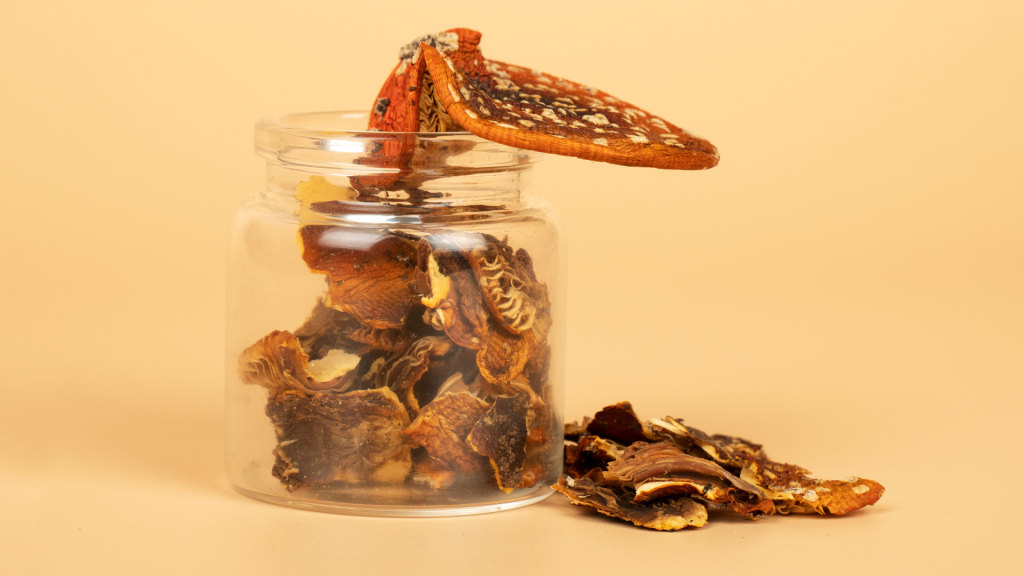
Magic mushrooms have been around for a long time, and people talk about them using all kinds of names. Some are scientific, some are nicknames, and a few sound like something out of a fantasy novel. If you’ve ever wondered what all these mushroom names mean, you’re not alone. There are more than 200 psilocybin-containing species out there, but only a handful show up most often in conversations, research, and culture. So let’s break things down in a way that actually makes sense.
Why So Many Different Names?
Here’s the thing about mushrooms: every species has a scientific name, but the community tends to create their own shortcuts. That’s how we end up with names like “Liberty Caps” or “Golden Teachers.” They’re easier to say and usually reflect how the mushroom looks or how people claim it feels.
But underneath the fun nicknames, these are all psilocybin-containing fungi belonging mostly to the genus Psilocybe. Scientists use these formal names so they know exactly what they’re talking about, especially when running studies or measuring potency.
Psilocybe Cubensis: The Classic
If magic mushrooms had a mascot, it would probably be Psilocybe cubensis. They grow in warm climates, they’re easy to recognize, and they’re the species most people hear about first.
Common nicknames include:
- Golden Teacher
- B+
- Amazonian
These names often refer to slight differences in appearance or how growers talk about their effects, though biologically they’re all still P. cubensis.
Psilocybe Semilanceata: The Liberty Cap
Psilocybe semilanceata is one of the most widespread species in the world. It grows in grassy fields and cooler climates, which explains why it shows up in so many regions.
People call it Liberty Caps because of the pointed, cap-like shape. They’re small but surprisingly potent, which sometimes surprises new foragers who expect size to match strength.
Psilocybe Cyanescens: The Wavy Cap
These mushrooms are easy to spot thanks to their wavy edges and caramel color. They’re strong, they bruise blue very quickly, and they spread through wood chips in urban areas as much as in forests.
Nicknames include:
- Wavy Caps
- Blue Halos
They’re especially common in parts of Europe and the Pacific Northwest.
Psilocybe Azurescens: The Flying Saucer
This one tends to show up in stories because of its power. Psilocybe azurescens is known for high psilocybin levels, which earns it a bit of a mythical reputation.
Nicknames:
- Azzies
- Flying Saucers
The caps can get quite wide and flat, almost like a tiny spacecraft. They prefer coastal habitats and cooler weather.
Psilocybe Mexicana: A Historic Species
This species has deep cultural roots. Psilocybe mexicana is the same mushroom used in ancient ceremonies in parts of Mesoamerica. It played a big role in the early scientific discovery of psilocybin too.
Nicknames:
- Teonanácatl (a traditional term meaning “flesh of the gods”)
- Mexican Mushrooms
They’re not as potent as some modern favorites, but they carry a history that people still talk about today.
Why Scientific Names Still Matter
Casual names are fun, sure, but scientific names help avoid confusion. Many mushrooms look similar, and misidentifying species can carry real risks. Researchers rely on proper naming so data stays consistent, especially when measuring potency or mapping where these species naturally grow.
If you’re curious about the wider mushroom family, scientists have mapped out hundreds of species, many of which still surprise researchers with how widespread they are. Some grow in forests, others in fields, and a few even thrive in unexpected urban environments.
Summary
Magic mushrooms come with a lot of names, and each label tells you something about where they grow, how they look, or how people talk about them. Whether it’s the common cubensis, the tiny Liberty Cap, or the powerful azurescens, each species has its own story. Learning the names is a simple way to understand the culture and science behind these mushrooms without getting lost in complicated terminology.
Sources
Johns Hopkins Psychiatry Guide – Psilocybin
NCBI – Global species diversity and distribution of the psychedelic fungal genus Psilocybe
Fungal Biology – Diversity, biology, and history of psilocybin-containing fungi