Psilocin is one of the primary active compounds responsible for the effects people associate with magic mushrooms. Most of the time you hear the word psilocybin first, but psilocin is the chemical that actually interacts with the brain to produce those characteristic effects once the body metabolizes psilocybin.
Let’s break down where psilocin is found in nature, why it appears the way it does, and what scientific studies tell us about its distribution.
What Psilocin Is
Psilocin is a naturally occurring tryptamine compound. In psilocybin-containing mushrooms, psilocybin converts into psilocin once it enters the body. Psilocin is what binds to serotonin receptors in the brain and triggers the experience people talk about. Psilocybin is technically a prodrug – meaning it isn’t active until it becomes psilocin.
That’s why when we talk about where psilocin is found, we often end up talking about where psilocybin is found too.
Psilocin Is Found in Psilocybin Mushrooms
The vast majority of psilocin in nature exists in fungi from the genus Psilocybe. These are the classic “magic mushrooms” people have been studying and using for decades.
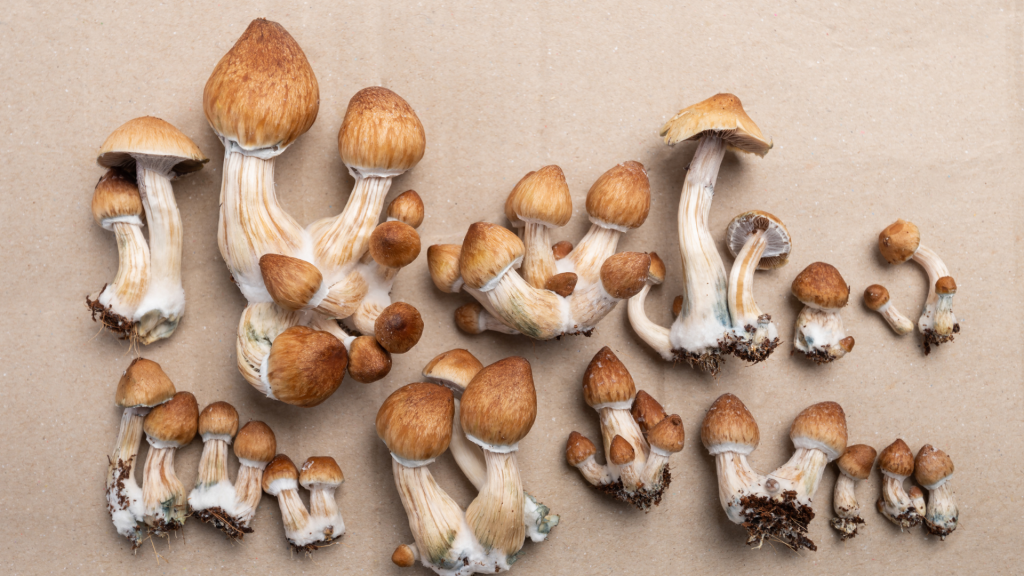
Research has shown that psilocin is present in measurable amounts across multiple strains of Psilocybe cubensis and other related species. The Europe PMC study on mushroom content found that different strains of P. cubensis contain varied levels of both psilocybin and psilocin. Some may have a bit more psilocin, some a bit less, but the compound is consistently present alongside psilocybin.
This means that when you’re asking where psilocin is found, the answer boils down to the species of fungi that produce it.
Which Mushroom Species Contain Psilocin
There are over 200 species of psilocybin/psilocin-producing mushrooms around the world. Most of the research focuses on a handful that are common or widely studied, including:
- Psilocybe cubensis
- Psilocybe semilanceata
- Psilocybe cyanescens
These species naturally produce both psilocybin and psilocin, with psilocybin usually being the dominant compound. In the body, psilocybin quickly converts into psilocin, which is why it’s important to understand both chemicals together.
What Science Says About Psilocin in Mushrooms
A systematic review on classic psychedelics found that psilocin and psilocybin both occur naturally in these fungi and that levels of the compounds can vary widely depending on strain, environment, and growing conditions. The study explains how the body interacts with these compounds once ingested, including how psilocybin breaks down into psilocin.
Another study measuring actual mushroom samples showed psilocin present across multiple Psilocybe cubensis strains alongside psilocybin, confirming that psilocin isn’t rare — it’s just part of the chemical profile of these species.
Other Natural Sources?
Right now, there’s no strong scientific evidence that psilocin occurs naturally outside of psilocybin/psilocin-producing mushrooms. Some other plants and fungi have different psychoactive chemicals, but psilocin itself is essentially tied to Psilocybe and related mushrooms.
Summary
Psilocin is found in nature almost exclusively in mushrooms that also contain psilocybin. These include a number of Psilocybe species, with Psilocybe cubensis being one of the most common examples studied. The compound appears naturally in their fruiting bodies and, once eaten, is the molecule that interacts directly with the human brain after psilocybin converts into it.
Sources
NCBI – Drug–drug interactions involving classic psychedelics: A systematic review
Europe PMC – Determination of psilocybin and psilocin content in multiple Psilocybe cubensis strains