People use the words psilocybin and psilocin like they’re interchangeable. They’re related, sure, but they’re not the same thing. If you’ve ever wondered why both names show up in research papers and lab reports, here’s the simple answer: one is the “starter,” and the other is the “active” form your brain actually responds to.
Let’s break it down in a neat way, without chemistry class vibes.
The Quick Difference
Psilocybin is what’s found in many magic mushrooms.
Psilocin is what actually causes the psychedelic effects.
Psilocybin turns into psilocin in your body. That conversion is the key.
Think of Psilocybin as a “Delivery Form”
Scientists often describe psilocybin as something your body converts after you take it. In other words, it’s not the final active compound. Once it’s in your system, enzymes remove a small chemical piece from psilocybin, and that creates psilocin.
A pharmacology paper on psilocin metabolism explains that psilocin is the active molecule and is formed through this conversion process after psilocybin is ingested.
So if psilocybin is the packaged product, psilocin is what gets unpacked.
Why Psilocin Is the One That “Hits”
Psilocin is the compound that interacts with serotonin receptors in the brain, especially the 5-HT2A receptor. That receptor is strongly linked to changes in perception, mood, and thought patterns.
That’s why researchers focus heavily on psilocin levels when discussing effects, timing, and intensity. It’s the substance doing the actual work.
How Long Each One Lasts in the Body
This is where it gets practical.
Clinical pharmacokinetic research shows that psilocybin is cleared quickly, while psilocin sticks around longer and drives most of the experience. The exact numbers vary by study and dose, but the pattern is consistent: psilocybin rises and falls fast, and psilocin is the main factor behind how long effects last.
That’s also why labs often measure psilocin in blood or urine when they’re tracking exposure.
Why Some Mushrooms Test for Both
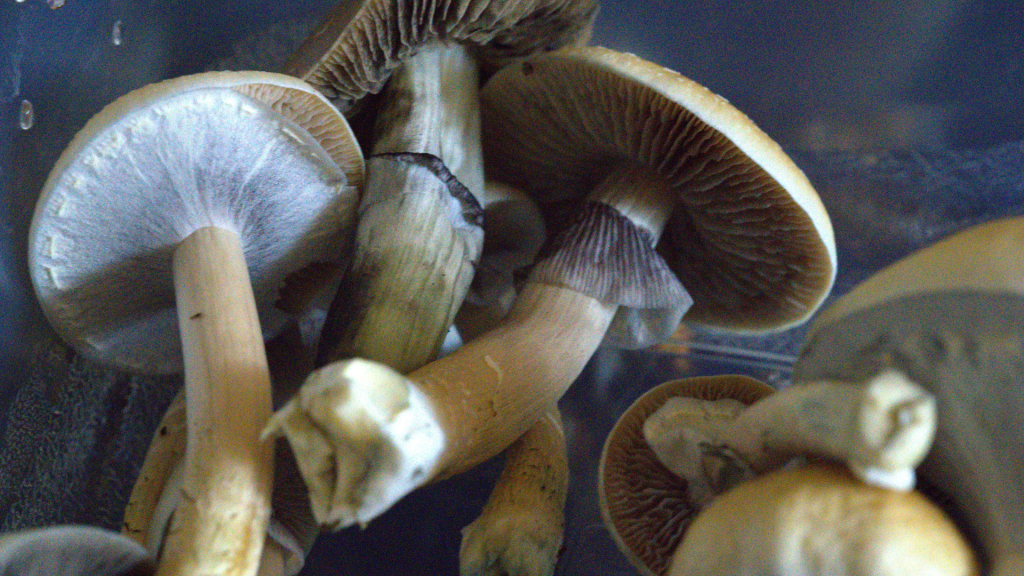
When scientists analyze mushrooms, they often find both psilocybin and psilocin present. Psilocybin tends to be higher, while psilocin can vary more. Psilocin is less stable than psilocybin, which means it can break down more easily with heat, time, and handling.
That instability is one reason dried mushrooms might show different psilocin levels depending on how they were stored.
Why You See Both Names in Research and Medicine
Medical guides like the Johns Hopkins Psychiatry Guide discuss psilocybin because it’s the main compound given in clinical settings, often in a controlled dose. But researchers still talk about psilocin because it’s the active compound and helps explain what’s happening in the body during and after dosing.
So both names matter, just for different reasons:
- psilocybin is the “input”
- psilocin is the “active output”
Summary
Psilocin is not the same thing as psilocybin, but they are tightly connected. Psilocybin is the compound commonly found in mushrooms and used in clinical settings, and your body converts it into psilocin. Psilocin is the active form that interacts with the brain and drives the effects. If you remember one thing, remember this: psilocybin gets the process started, psilocin does the heavy lifting.
Sources
Frontiers in Pharmacology – In vitro and in vivo metabolism of psilocybin’s active metabolite psilocin
Springer – Clinical Pharmacokinetics of Psilocin After Psilocybin Administration
Johns Hopkins Psychiatry Guide – Psilocybin