
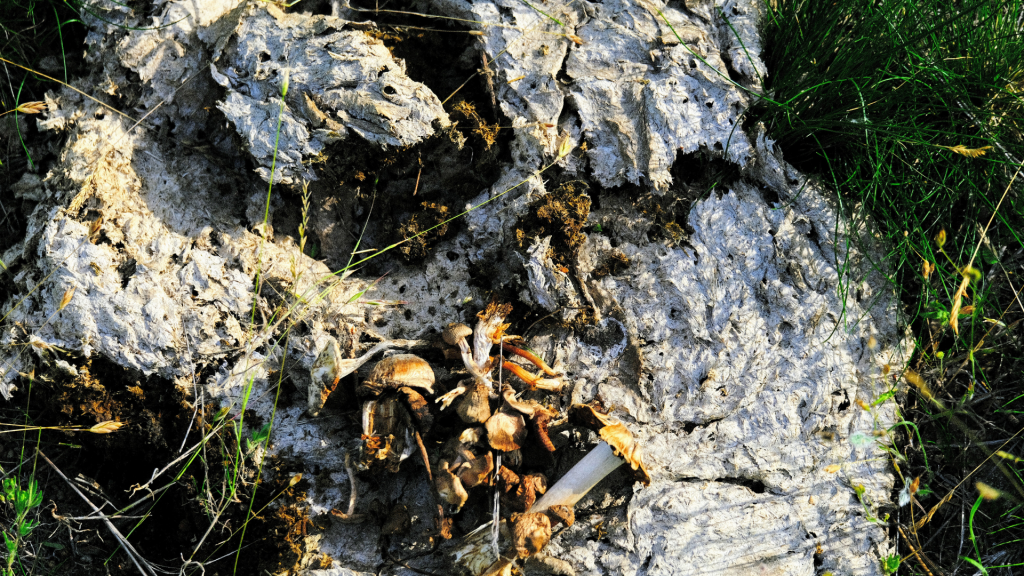
When I first learned that magic mushrooms grow naturally all over the world, I couldn’t believe how simple they look. No glowing colors. No strange shapes. Most of them just blend into grass, soil, or fallen logs. If you walked past them on a hike, you probably wouldn’t notice a thing. That’s the wild part. These tiny, regular-looking mushrooms carry a history older than most of our cities.
Scientists have been studying wild Psilocybe species for years, and the more they look, the more they find. Different species pop up in forests, pastures, and gardens. Some love wood chips. Others prefer dung. A few are so rare that researchers only know them from a handful of samples. Let me walk you through what the science says, mixed with a few things I’ve seen myself.
Where Magic Mushrooms Grow
Wild magic mushrooms aren’t picky, but they do have favorite places. Many species grow in damp, grassy areas. Others show up in forest floors where fallen wood breaks down. Some even grow near people because we spread the right materials without realizing it.
One study pointed out how these mushrooms developed strong relationships with their environment:
“Psilocybe species are embedded within complex ecological networks that shape their evolution and distribution.”
That line made me look at the woods differently. Even during simple hikes, I catch myself scanning old logs or looking at the edges of trails. It’s a weird habit, but once you know these mushrooms might be out there, you always keep one eye open.
They Grow More Places Than You Think
There’s a popular belief that magic mushrooms only grow in tropical forests or untouched nature. The truth is a lot more ordinary. Many species grow:
- In parks
- In pastures
- Near mulch piles
- Along riverbanks
- On decaying wood
Some mushrooms even benefit from human activity. When people spread wood chips in gardens, certain Psilocybe species show up in the following months. I’ve seen them in public parks more than once. Most people walk by without knowing what’s under their feet.
How Scientists Tell Them Apart
To most of us, many wild mushrooms look the same. But scientists use genetics to figure out which species are which. One paper explained how researchers used molecular tools to clearly identify wild Psilocybe samples:
“High resolution sequencing made it possible to confidently distinguish Psilocybe species from closely related fungi.”
This matters because some look-alikes are dangerous. You can’t trust your eyes alone. Even experienced foragers make mistakes. When I realized how many mushrooms share the same shape, I decided wild picking wasn’t for me. I admire science, but I leave the hunting to experts.
The Role Mushrooms Play in Nature
Magic mushrooms don’t just sit in the soil waiting to be found. They help ecosystems break down plant material and recycle nutrients. Some species break down wood. Others help soil stay healthy. They’re part of a long cycle that keeps forests and fields alive.
One study on forest fungi explained how mushrooms influence their environment:
“Fungal communities take part in shaping future vegetation through their roles in nutrient cycling and soil structure.”
So even though people think about magic mushrooms only in the context of their effects, they’re important to the natural world long before anyone ever picks them.
Why They Appear After Rain
If you’ve ever gone mushroom spotting, you know rain changes everything. Wild Psilocybe species love moisture. After a good storm, they can show up overnight. I’ve walked trails that looked empty one week and then full of small brown caps the next. The sudden growth feels magical, even when you know the science behind it.
Moisture wakes up the fungal network underground. Once conditions are right, the fruiting bodies pop up fast. That’s why mushroom hunters always check the weather.
What Makes Wild Mushrooms Spread
Some species spread through spores carried by the wind. Others stick to animals or drift in water. A few follow human activity. When we move soil, wood chips, or manure, we accidentally help them travel.
Once established, a colony can live for years underground. The above-ground mushrooms are just brief visitors. The real organism stays hidden, growing quietly until the next good rain.
Summary
Wild magic mushrooms are more common than most people think. They blend into everyday landscapes and help support ecosystems by breaking down organic matter. Science has revealed how diverse they are and how deeply they’re connected to their environment. Spotting them takes skill, patience, and a lot of caution, but their place in nature is bigger than the effects they’re known for.
Magic mushrooms grow in the wild in many parts of the world. They appear in forests, grasslands, parks, and areas rich in decaying wood. Scientists study them using genetics, which helps separate safe species from dangerous look-alikes. These mushrooms play an important role in nature, and they often show up after rain when conditions are right.
Sources
ScienceDirect – The Evolution And Ecology Of Psilocybin In Nature
Frontiers – Fungal Networks and Forest Ecology
ASM Journals – Molecular Identification of Psilocybe Samples
Read Our Other Articles