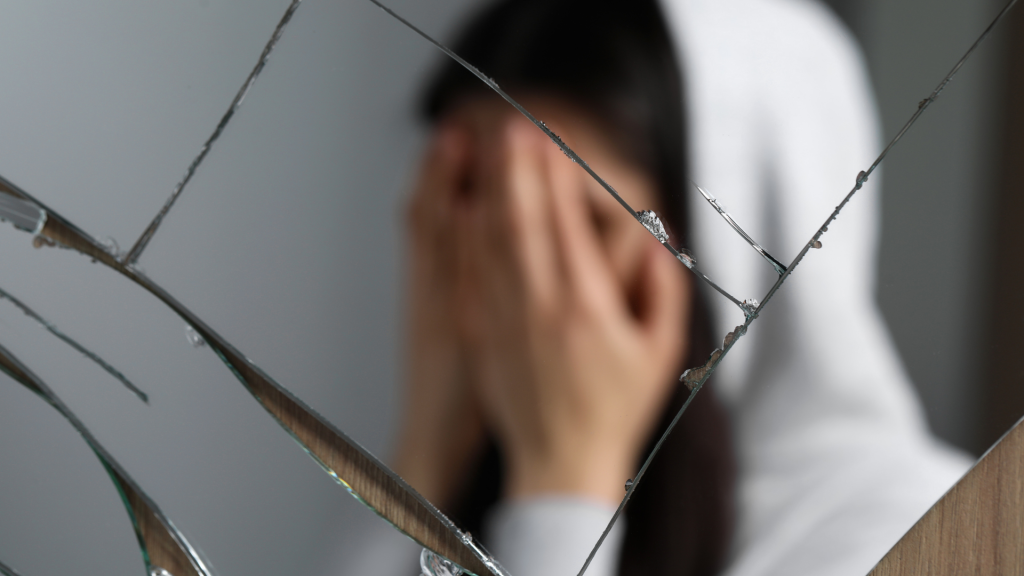
Magic mushrooms are getting a lot of buzz for their potential to ease depression and anxiety. But when it comes to bipolar disorder, things get more complicated. Psilocybin, the active compound in shrooms, can open emotional doors and shift mood deeply, which is both the reason people are curious and the reason experts urge caution.
I’ve seen how psilocybin can help some people gain clarity. Still, I’ve also learned that it’s not the same for everyone, especially for those with bipolar tendencies. Let’s break down what research says, what risks exist, and how to approach this with care.
What the Science Is Finding
Psilocybin works by temporarily increasing communication between different brain regions and reducing the dominance of the “default mode network,” the part tied to repetitive thoughts and rigid thinking patterns. That’s part of why it can lift depression or help people see problems from new angles.
But in bipolar disorder, the brain already swings between high and low states. That means psilocybin’s emotional intensity could sometimes tip things too far.
“Psilocybin may induce rapid shifts in mood and perception, which, while therapeutic in unipolar depression, can risk triggering mania or mixed states in individuals with bipolar disorder,” , JAMA Psychiatry.
In other words, what helps one brain find balance might push another off course.
The Risks: Why Doctors Stay Cautious
People with bipolar disorder are often excluded from psilocybin clinical trials. That’s not stigma, it’s safety. Researchers worry about mania, impulsivity, and sleep disruption.
A 2022 international survey from the Journal of Psychopharmacology collected real experiences from people with bipolar disorder who had tried psilocybin. About one-third reported a clear mood lift, but a small group described negative outcomes like manic symptoms or agitation afterward.
“Roughly 15% of participants reported a worsening of symptoms or manic behavior following psilocybin use,” Journal of Psychopharmacology.
That doesn’t mean psilocybin always causes problems, but it shows the importance of context. The setting, dose, and emotional state before the trip all matter.
Hope and Careful Progress
Despite those risks, scientists are exploring safe paths forward. One recent pilot study tested a synthetic form of psilocybin on people with bipolar type II, a form that leans more depressive than manic.
Results were promising: patients showed improved mood and fewer depressive symptoms without triggering mania during the short follow-up period. Still, researchers stressed that professional supervision and strict screening were essential.
“Our findings suggest psilocybin-assisted therapy may have antidepressant effects in bipolar II depression, but larger studies are needed to confirm safety”, JAMA Psychiatry.
In short: there’s potential, but we’re not there yet.
What This Means for Real Life
If you have bipolar disorder and are curious about shrooms, take it slow. Talk to a psychiatrist first, especially if you’ve had manic or mixed episodes before. Never use psilocybin during an active high or when you’re not sleeping well.
If you do explore it someday (and ideally in a clinical setting), keep the basics in mind:
- Avoid mixing with alcohol or other drugs.
- Have a trusted sitter present.
- Focus on a calm, safe setting.
- Track your mood for days afterward.
Even in studies, integration therapy, the process of discussing what came up during the trip, is a big part of healing.
Simple Takeaway
Psilocybin may help some forms of bipolar depression, but it can also stir up manic energy or emotional chaos if not handled carefully. Research is moving forward, but for now, the best approach is informed caution.
Magic mushrooms aren’t off-limits forever, they just need the right science and safeguards to make sure they heal more than they harm.
Sources
Aaronson S. T. et al. – 2023 – Single-Dose Synthetic Psilocybin With Psychotherapy for Treatment-Resistant Bipolar II Major Depressive Episodes – JAMA Psychiatry
Morton E., Sakai K., Ashtari A. et al. – 2022 – Risks and Benefits of Psilocybin Use in People With Bipolar Disorder – Journal of Psychopharmacology
Yalin N., Young A. – 2021 – Evaluating the Risk of Psilocybin for the Treatment of Bipolar Depression – MedRxiv
Read Our Other Articles