People talk about psychedelics like they’re either magic or madness. The truth is somewhere in the middle. Some can be safe when used with care, while others can throw your brain for a loop. If you’re wondering which psychedelics have the best safety record, especially when it comes to shrooms, you’re in the right place.
I’ve seen both sides: trips that changed lives for the better and ones that went sideways because someone didn’t know what they were taking. The key isn’t just what you take, it’s how you take it. Science is catching up fast, and research shows that some psychedelics are surprisingly safe when handled responsibly.
What Makes a Psychedelic “Safe”?
When scientists talk about safety, they mean a few things:
- Low risk of physical harm or overdose
- No strong potential for addiction
- Predictable psychological effects under supervision
Most classic psychedelics fit that description pretty well. According to a 2024 review in European Archives of Psychiatry and Clinical Neuroscience, modern clinical studies show “favorable safety profiles” for substances like psilocybin, LSD, and mescaline when used in controlled settings.
“Across studies, psychedelics demonstrated low toxicity and limited abuse potential compared to many legal psychoactive substances,” European Archives of Psychiatry and Clinical Neuroscience.
So, let’s talk about the ones that science (and experience) agree are among the safest.
1. Psilocybin Mushrooms (Shrooms)
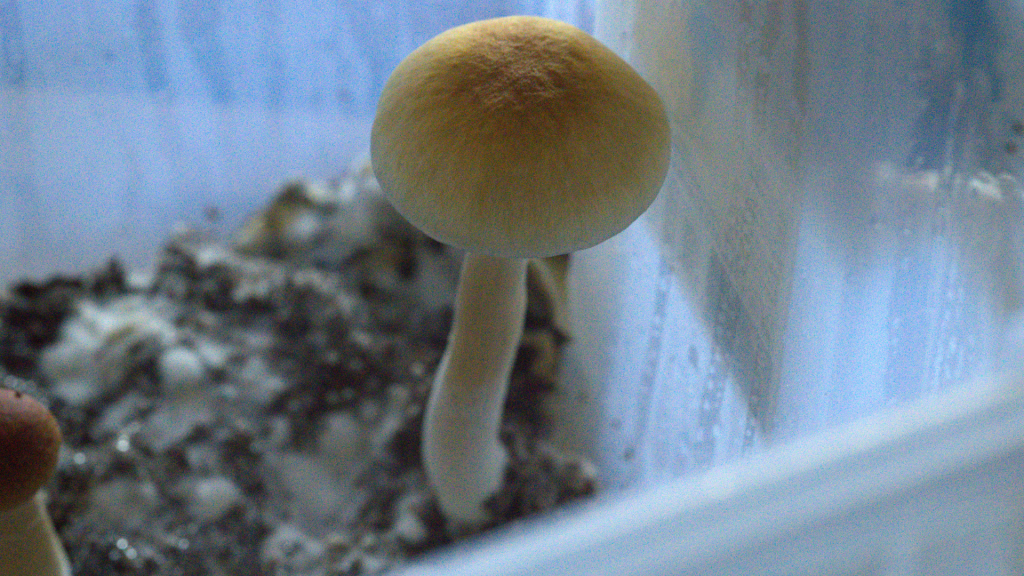
Shrooms consistently rank as one of the least harmful psychoactive substances. They’re natural, hard to overdose on, and non-addictive. The active compound psilocybin converts to psilocin in the body, which interacts with serotonin receptors to create altered perception, emotional depth, and sometimes, profound insights.
“Psilocybin is physiologically safe, with low toxicity and no evidence of organ damage or addiction,” CNS Spectrums.
Most of the risk comes from the experience itself, panic, confusion, or unsafe behavior if the environment isn’t right. With a calm setting and trusted sitter, shrooms are considered one of the safest psychedelics out there.
2. LSD (Lysergic Acid Diethylamide)
LSD shares a similar safety profile with shrooms when it comes to toxicity and addiction risk. Its effects last longer, up to 12 hours, but it’s not known to cause physical harm. Where LSD can become risky is in its unpredictability at high doses or in unsafe environments.
People who are anxious, sleep-deprived, or dealing with mental health struggles should avoid it outside of clinical settings.
3. Mescaline (Peyote or San Pedro Cactus)
Mescaline is one of the oldest known psychedelics, used in spiritual rituals for thousands of years. It’s gentle on the body and has a low potential for abuse. The trip can be long, 10 to 12 hours, but tends to be clear-headed and emotionally balanced.
Its biggest risks are nausea or vomiting early in the experience, not toxicity.
4. DMT (and Ayahuasca)
DMT (dimethyltryptamine) naturally occurs in the human body and many plants. On its own, it produces short but intense experiences that last about 15 minutes. When brewed into ayahuasca, the trip stretches to several hours.
While DMT itself is low in toxicity, ayahuasca can interact with medications like antidepressants. It’s also emotionally intense, so proper guidance is essential.
5. MDMA (in Therapeutic Settings Only)
Technically, MDMA isn’t a classic psychedelic, it’s an empathogen. But clinical trials are exploring its use for PTSD and trauma, with strong safety results when doses are pure and controlled.
Recreational MDMA, however, is riskier due to street contamination and overheating. Lab-grade MDMA under medical supervision shows far fewer risks.
Why Shrooms Stand Out
Among all these, psilocybin mushrooms continue to hold the best balance between safety and effectiveness. You can’t overdose on them in any realistic sense, and they don’t damage organs or cause dependency. In fact, a 2025 Lancet EClinicalMedicine paper noted that psilocybin’s side effects in clinical trials were “transient and self-limiting,” meaning they faded naturally without harm.
“When administered with professional support, psilocybin remains one of the safest and most well-tolerated psychedelics studied to date,” The Lancet EClinicalMedicine.
That’s not to say you can take them carelessly. Like any mind-altering experience, set and setting matter. Calm mindset, familiar space, trusted company, these make all the difference.
Quick Takeaway
Safe psychedelics exist, but safety always depends on context. Psilocybin (shrooms), LSD, and mescaline have some of the best safety records in both research and real life. They’re non-addictive, non-toxic, and powerful when treated with respect.
If you’re curious, remember: the safest trip starts long before you take the dose, it starts with preparation, mindset, and knowing your limits.
Sources
Seetal Dodd et. al. – 2022 – Psilocybin in neuropsychiatry: a review of its pharmacology, safety and efficacy – CNS Spectrums
Yuan Yao et. al. – 2024 – Efficacy and safety of psychedelics for the treatment of mental disorders: a systematic review and meta-analysis – European Archives of Psychiatry and Clinical Neuroscience
The Lancet EClinicalMedicine – 2025 – Considerations and cautions for the integration of psilocybin into clinical practice
Read Our Other Articles