
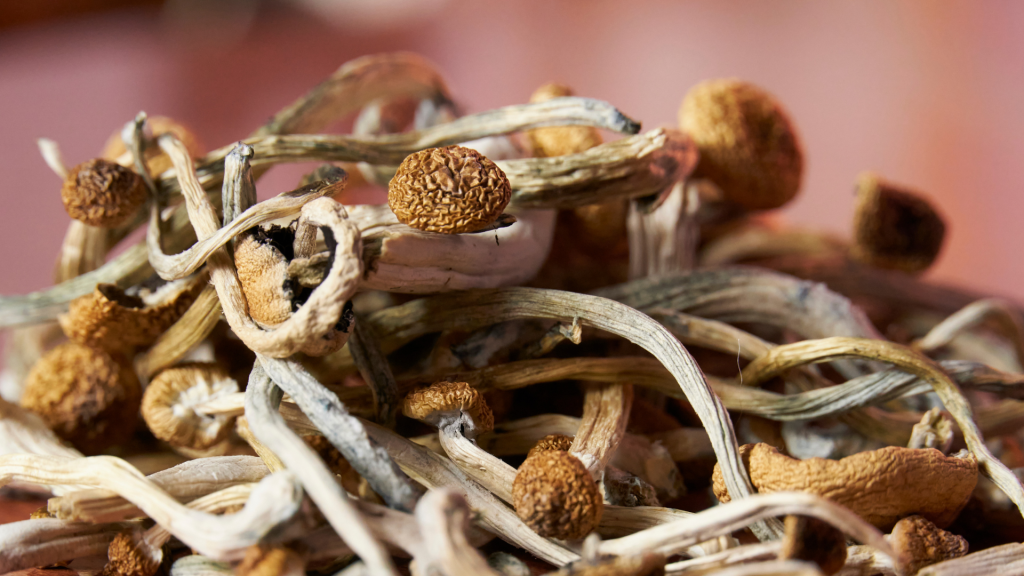
When people talk about magic mushrooms, it can sound like they’re all the same thing. But in reality, there are many different varieties, and they don’t all behave the same way. Some are more common, some are stronger, and some grow in very specific places. Understanding the basics helps clear up a lot of confusion, especially if you’re just trying to learn how these mushrooms differ from one another.
This guide keeps things simple and focuses on the varieties you’ll see mentioned most often.
What “Variety” Really Means
First, a quick clarification. When people say “varieties,” they’re usually talking about species, not brands or strains. In scientific terms, most magic mushrooms belong to a few main fungal groups, with the genus Psilocybe being the most well known.
Researchers have identified more than 200 psilocybin-containing species worldwide. Each species has its own natural habitat, potency range, and growth patterns.
Psilocybe Cubensis: The Most Familiar One
Psilocybe cubensis is by far the most commonly discussed magic mushroom. It’s widespread, well studied, and often considered the baseline when people compare other varieties.
Scientists frequently use cubensis in research because it’s easy to identify and has relatively consistent psilocybin content. You’ll often hear names like Golden Teacher or B+ associated with it, but biologically, these are all still P. cubensis.
For casual learners, this species is helpful because most general information about magic mushrooms applies to it.
Psilocybe Semilanceata: The Liberty Cap
Often called Liberty Caps, Psilocybe semilanceata grows naturally in grassy fields, especially in cooler regions. It’s smaller than cubensis but known for being more potent by weight.
Researchers note that this species has a wide geographic spread, which is why it shows up so often in European studies. Its thin stem and pointed cap make it visually distinct, even though it’s tiny.
Psilocybe Cyanescens: The Wavy Cap
Psilocybe cyanescens gets its nickname from the wavy edges of its cap. It’s commonly found in wood-rich environments and urban landscaping areas.
This variety tends to have higher psilocybin levels than cubensis, which is why it’s often described as more intense. Scientists studying mushroom chemistry frequently mention it because of its strong and consistent compound profile.
Psilocybe Azurescens: Known for High Potency
Among commonly discussed species, Psilocybe azurescens is often cited as one of the most potent. It grows in specific coastal environments and has been the subject of multiple chemical analyses due to its high psilocybin and psilocin content.
While it’s not as widespread as other varieties, it stands out in research for its strength rather than its popularity.
Other Genera That Contain Psilocybin
While Psilocybe gets most of the attention, researchers have identified psilocybin in other genera as well, including:
- Panaeolus
- Gymnopilus
- Pluteus
These mushrooms differ in appearance and habitat but still produce similar psychoactive compounds. Scientific taxonomy papers often group these together to understand how psilocybin evolved across different fungi.
Why Varieties Matter in Research
Different varieties help scientists understand how potency, chemistry, and effects vary in nature. Studies comparing species show that psilocybin content can vary widely even within the same genus. That’s why research papers often specify exact species instead of using the general term “magic mushrooms.”
For casual readers, this explains why experiences and descriptions can differ so much from one story to the next.
Summary
Magic mushroom varieties aren’t all the same. Species like Psilocybe cubensis, semilanceata, cyanescens, and azurescens each have unique traits that affect how they grow and how much psilocybin they contain. While Psilocybe species dominate most discussions, other genera also play a role in the broader picture. Knowing these differences helps make sense of both scientific studies and everyday conversations.
Sources
NCBI – Global species diversity and distribution of the psychedelic fungal genus Psilocybe
Frontiers in Forests and Global Change – Taxonomy, Phylogenetics, and Ecology of Neurotropic Fungi
Johns Hopkins Psychiatry Guide – Psilocybin