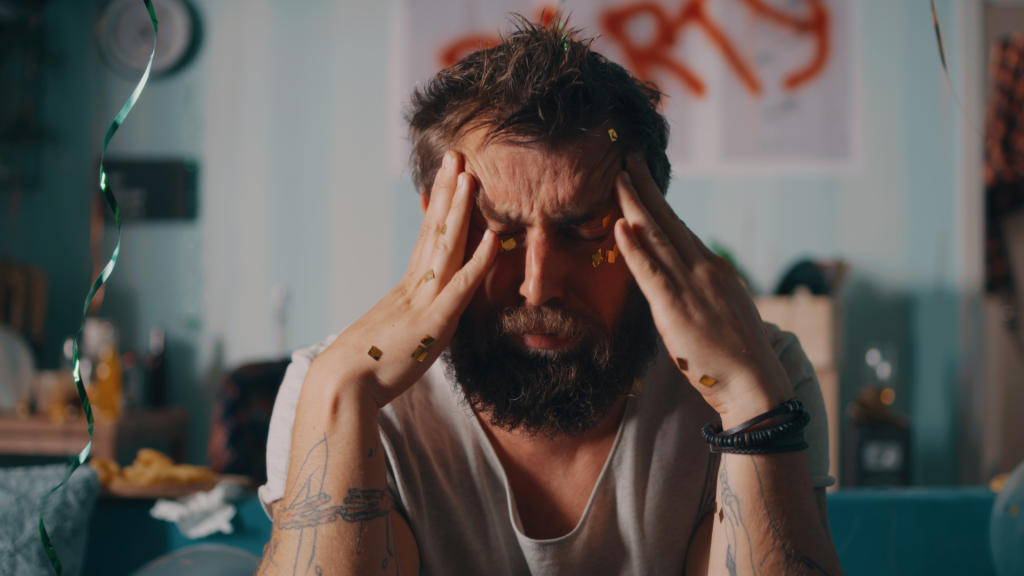
Most people have heard of the dreaded hangover after alcohol, pounding head, dry mouth, regret. But what about magic mushrooms? Can you actually get a “shroom hangover”?
The short answer: not really. Psilocybin, the active ingredient in magic mushrooms, doesn’t cause the kind of physical hangover you’d get from alcohol or MDMA. But that doesn’t mean you’ll feel completely normal the next day. Some people experience what’s better described as a mental afterglow, while others report temporary fatigue or emotional sensitivity. Let’s unpack what science actually says.
No Real “Hangover,” But Some Leftover Effects
Unlike alcohol or stimulants, psilocybin doesn’t dehydrate your body or deplete serotonin to dangerous levels. It’s non-toxic in normal doses and leaves your system relatively quickly. Studies from PsychedelicHealth (2023) note that psilocybin and LSD don’t produce traditional hangovers because they don’t overload the body’s metabolism or drain neurotransmitters the way MDMA or caffeine do.
So, you’re not going to wake up nauseous or shaky, but you might feel a little different.
“It’s not a hangover; it’s more like an emotional echo.”
The Day After: The “Afterglow” or “Slow Mode”
For many people, the next day feels calm, clear, and even peaceful. Researchers from the University of California, Berkeley (2024) describe this as a mild, positive “afterglow.” The brain’s serotonin system is still adjusting, leaving many users feeling centered and reflective.
Others, however, experience a temporary dip, mild exhaustion, brain fog, or an “emotionally tender” feeling. That’s usually just your brain settling back into its normal rhythm after hours of intense activity and sensory overload.
Hydration, food, and rest usually fix it fast.
“It’s like your mind had a big workout, and the next day you feel sore but satisfied.”
Why Some People Feel Off Afterward
Not everyone gets the same post-trip experience. A 2023 PLOS ONE study found that while most users reported positive aftereffects, a minority felt anxious, tired, or emotionally drained for a day or two. The main reasons?
- High doses that overstimulate the brain
- Challenging trips involving emotional release or stress
- Poor sleep during the experience
- No time to rest afterward
In short: your body doesn’t have a chemical hangover , it just needs a breather.
The Science Behind the Calm (or Fatigue)
During a psilocybin trip, your brain goes into hyperdrive. It forms new connections, increases communication between regions, and quiets the overactive “default mode network.” When the trip ends, the brain doesn’t instantly switch back. It slowly rebalances, which can feel like either calm serenity or mild cognitive fatigue.
The UC Berkeley Psychedelics Division explains it like this: psilocybin can temporarily use up the energy the brain devotes to filtering sensory and emotional input. Once the trip ends, that same system needs rest to reset, hence the tiredness some people feel.
Real Talk: The Good, The Neutral, and The Weird
Here’s what people commonly report the next day:
- Positive: Calm, clear thinking, emotional warmth, reduced anxiety.
- Neutral: Slight tiredness, grogginess, trouble focusing.
- Rare: Emotional swings, mild anxiety, or sensitivity to noise/light.
These effects usually pass within 24 hours. If they linger longer than that, it’s usually because of a heavy dose or an intense trip that stirred up deeper emotions.
“Think of it less like a hangover and more like your mind taking a day off.”
Can You Prevent It?
Absolutely. Here are a few easy habits that help:
- Rest well before and after the trip.
- Eat light but nutritious food afterward , fruits, soup, and plenty of water.
- Skip alcohol or caffeine for a day or two.
- Take it easy emotionally , don’t rush back into stress-heavy situations.
Integration matters too. Journaling or talking through your experience can help settle any lingering emotions.
The Verdict
There’s no real “magic mushroom hangover” in the traditional sense. Psilocybin doesn’t poison your system or leave you chemically depleted. What some call a hangover is more like the brain’s way of catching its breath , a short recovery phase after a powerful internal workout.
For most people, that next-day calm or mild tiredness is part of the process, not a problem. And for many, it’s one more reminder that the trip’s effects go far beyond the visuals.
“It’s not about feeling worse after, it’s about feeling changed.”
Summary
Magic mushrooms don’t cause a physical hangover, but they can leave temporary after-effects like tiredness, reflection, or emotional sensitivity. Most users feel calm and grounded within a day. Staying hydrated, resting, and allowing mental space for integration make recovery smoother.
Sources
University of California, Berkeley – 2024 – Long-Term Physical Effects of Psychedelics
Robinson, E. et al. – 2023 – Extended Difficulties Following the Use of Psychedelic Drugs: A Mixed Methods Study
PsychedelicHealth – 2023 – Why Does MDMA Cause a Hangover, But Psilocybin and LSD Don’t?
Read Our Other Articles