
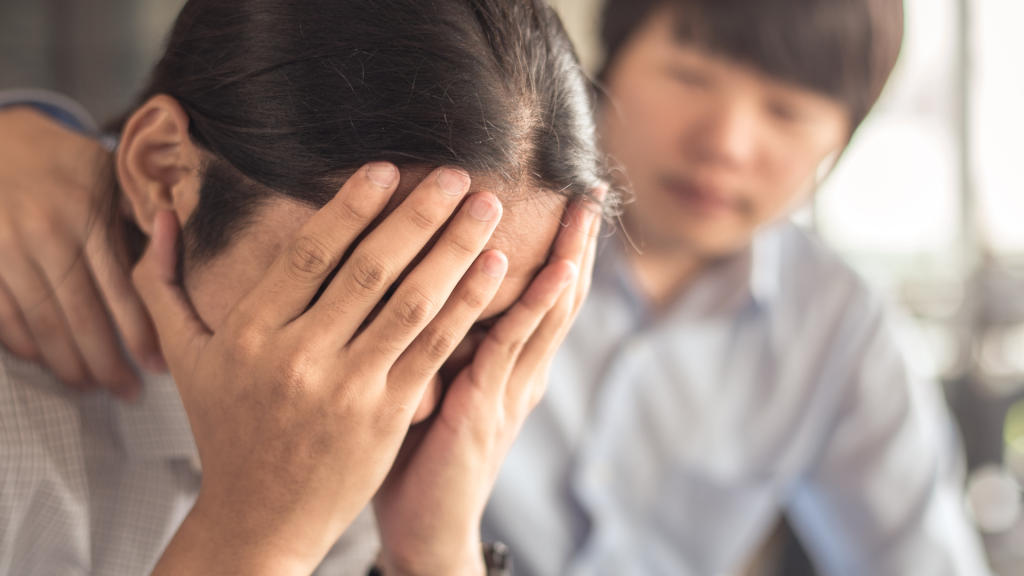
If your friend just took shrooms and you’re not sure what to do, relax. You don’t need to be an expert to help them have a safe, meaningful experience. I’ve been around psilocybin mushrooms for years, and trust me, a calm friend can make all the difference. Here’s everything I’ve learned, plus what science says, about being the right kind of support when someone’s tripping.
First, Know What’s Happening
Psilocybin, the active stuff in magic mushrooms, changes how the brain talks to itself. It turns down the “default mode network,” the part that keeps your sense of self in check, and boosts connection between other areas. That’s why everything can suddenly feel more connected, or more confusing.
Trips usually start about 30–60 minutes after eating shrooms and last around 4–6 hours. During that time, people might laugh, cry, or just stare at a wall thinking about the meaning of life. All of it is normal.
Set the Scene
Before anything kicks in, make sure the environment feels right. Lights are soft. Music is chill. No loud TV or phone buzzing. A cozy room or quiet outdoor spot is perfect. Have water nearby, but avoid alcohol or weed, mixing stuff can make the trip unpredictable.
If you’re the sober sitter, you’re like the guide of the night. You don’t have to “fix” anything. You just hold space and make sure everyone stays safe. Think of yourself as the anchor when the other person’s drifting through deep waters.
Keep Your Energy Grounded
Shrooms can amplify energy in the room. If you’re anxious, they’ll feel it. Stay calm and speak slowly. Sometimes all they need is to hear, “You’re safe. You took mushrooms. It’ll pass soon.”
If they’re having fun, great. Let them explore. If they start getting uneasy, gently shift the focus. Change the music, open a window, or suggest lying down. A small change in environment can totally reset the vibe.
Don’t Argue With Their Reality
If they see colors moving or feel like they’re melting into the couch, that’s real for them. Don’t laugh or say, “That’s not happening.” It’s better to nod and say something like, “Yeah, it can feel wild. Just breathe through it.”
The key is to help them accept what’s happening, not fight it. Fighting the trip often causes panic. Letting go usually brings calm.
Stay Physically Safe
Keep sharp objects and anything breakable out of reach. Most people on shrooms aren’t violent, but balance and judgment can be off. If they want to walk outside, stick close. Nature can be beautiful while tripping, but also overwhelming.
If they seem really disoriented or scared for a long time, remind them to take slow breaths. Offer water and dim the lights. Usually, the peak passes in about two hours.
When Things Get Rough
Sometimes people hit emotional stuff they didn’t expect. Old memories, guilt, or sadness can come up fast. Don’t rush to make it stop. Just sit beside them. Listening without judging is powerful.
If they start spiraling, like saying they’ll never come back or that they’re dying, remind them it’s temporary. A simple line like, “You’re safe, this is just the mushrooms,” often helps them ride it out.
If things ever get physically dangerous (they try to leave the house or hurt themselves), get help right away. Most bad trips calm down with reassurance, but safety always comes first.
Support the Afterglow
When the trip’s over, they’ll probably feel drained but peaceful. Have snacks ready, fruit, toast, or something light. Talk if they want, or just let them rest. The next day, they might want to write down what they learned or how they felt.
This “integration” time matters. Studies from Frontiers in Psychiatry and Psychedelic.Support show that reflecting afterward helps people process their experience and keep the good lessons.
My Go-To Tips
- Keep the vibe cozy and calm.
- Never joke about “bad trips.”
- Don’t let them mix substances.
- Offer gentle reassurance, not control.
- Let silence be okay. Sometimes the best help is just being there.
Quick Answer
To help someone on shrooms: stay calm, keep them safe, and remind them they’re okay. Don’t try to control or argue with what they’re feeling. Set a peaceful space and be the grounded voice in the room.
Final Thoughts
Being there for someone on shrooms is about respect and care. You don’t need fancy tools, just patience, warmth, and awareness. When done right, you can help them come back with insight instead of anxiety.
If you treat the mushrooms like a teacher instead of a party trick, you’ll see how powerful a safe space can be.
Sources
Strickland C., Farzin H. – 2022 – Therapeutic use of psilocybin: Practical considerations for dosing and administration
CNS Spectrums – 2023 – Psilocybin in neuropsychiatry: a review of its pharmacology, safety and efficacy
Psychedelic.Support – 2021 – Psilocybin-Assisted Therapy Guide
Read Our Other Articles