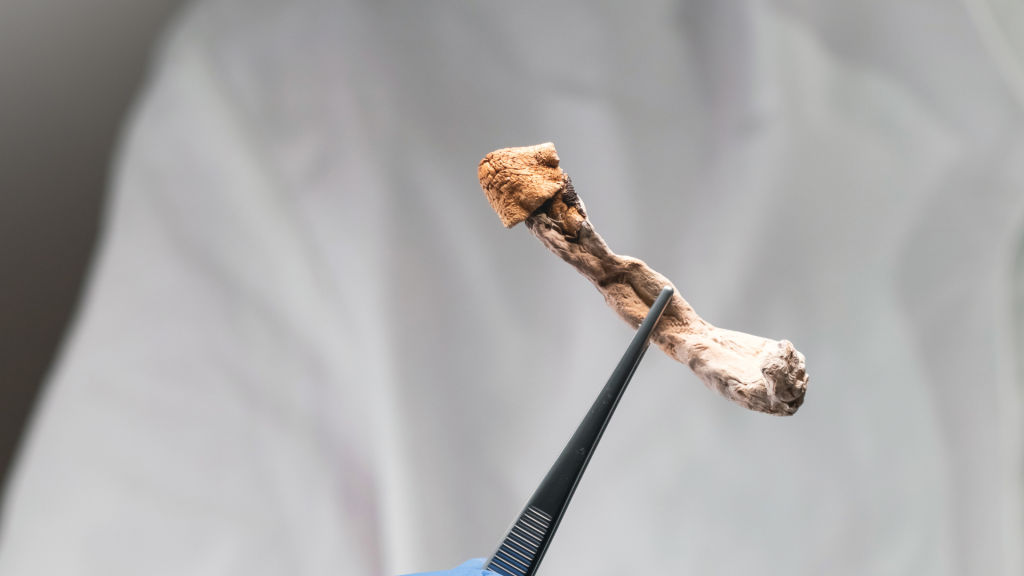
A lot of people hear the word “psychedelics” and imagine vivid colors, dancing shadows, or full-blown visions. So when microdosing started showing up everywhere, the big question was pretty simple: does taking tiny amounts of mushrooms cause hallucinations? The short answer is no, not when someone is actually sticking to real microdose levels. And both science and clinical writers back that up.
Let’s break it down in a way that actually makes sense, without losing the casual vibe.
What Microdosing Really Means
Microdosing isn’t about tripping. It’s about taking a dose so small that you don’t cross over into psychedelic territory. Harvard Health describes it as using a “sub-hallucinogenic dose,” which basically means a dose far below the level that causes classic psychedelic effects.
If a person is hallucinating, they’re not microdosing, they’re just dosing.
The Goal Is No Hallucinations
A helpful way to think about microdosing is that it aims for gentle shifts, not wild visuals. Recovered.org puts it clearly when they explain that microdosing is intended to avoid the hallucinogenic effects entirely. People who microdose generally want to stay grounded enough to work, think, and function normally.
Sure, some report feeling “a little brighter” or “slightly more aware,” but those aren’t hallucinations, they’re soft perceptual changes that stay well under the threshold of a psychedelic trip.
What Research Says About Perceptual Effects
One of the more interesting scientific papers I came across looked at side effects from controlled microdoses. The authors noted that participants did experience very mild perceptual changes, but nothing close to the classic visuals associated with full psychedelic doses. These changes were described as subtle shifts, the kind you could miss if you weren’t paying attention.
This lines up with nearly every research review on microdosing: the doses are simply too small to trigger hallucinations in most people.
When Do Hallucinations Happen?
Hallucinations show up when the dose climbs into the active psychedelic range. That’s usually many times higher than a typical microdose. So if someone is experiencing visuals while microdosing, a few things might be happening:
- the dose was too high
- their sensitivity is unusually strong
- the material was mislabeled or mismeasured
But under proper microdosing guidelines, hallucinations just aren’t part of the picture.
Why This Matters
People are curious about microdosing partly because they want something gentle, something that doesn’t disrupt daily life. Understanding that hallucinations aren’t expected helps keep the practice grounded in reality rather than hype. It also helps set better expectations for anyone exploring the idea.
Summary
Microdosing mushrooms does not cause hallucinations when done correctly. Harvard Health calls microdoses “sub-hallucinogenic,” Recovered.org emphasizes that microdosing is designed not to trigger psychedelic effects, and scientific studies confirm that any changes are extremely mild. If hallucinations occur, it wasn’t a microdose, it was simply more than the body needed.
Sources
Harvard Health Blog – Microdosing Overview
Recovered.org – Microdosing Psilocybin
ScienceDirect – Microdose Side-Effect and Perceptual Profile Study